The Great Gatsby at 100: Chasing Shadows Across the Bay
Reflections on rereading *The Great Gatsby* during its centennial year and what it still reveals about ambition, loneliness, and the American Dream
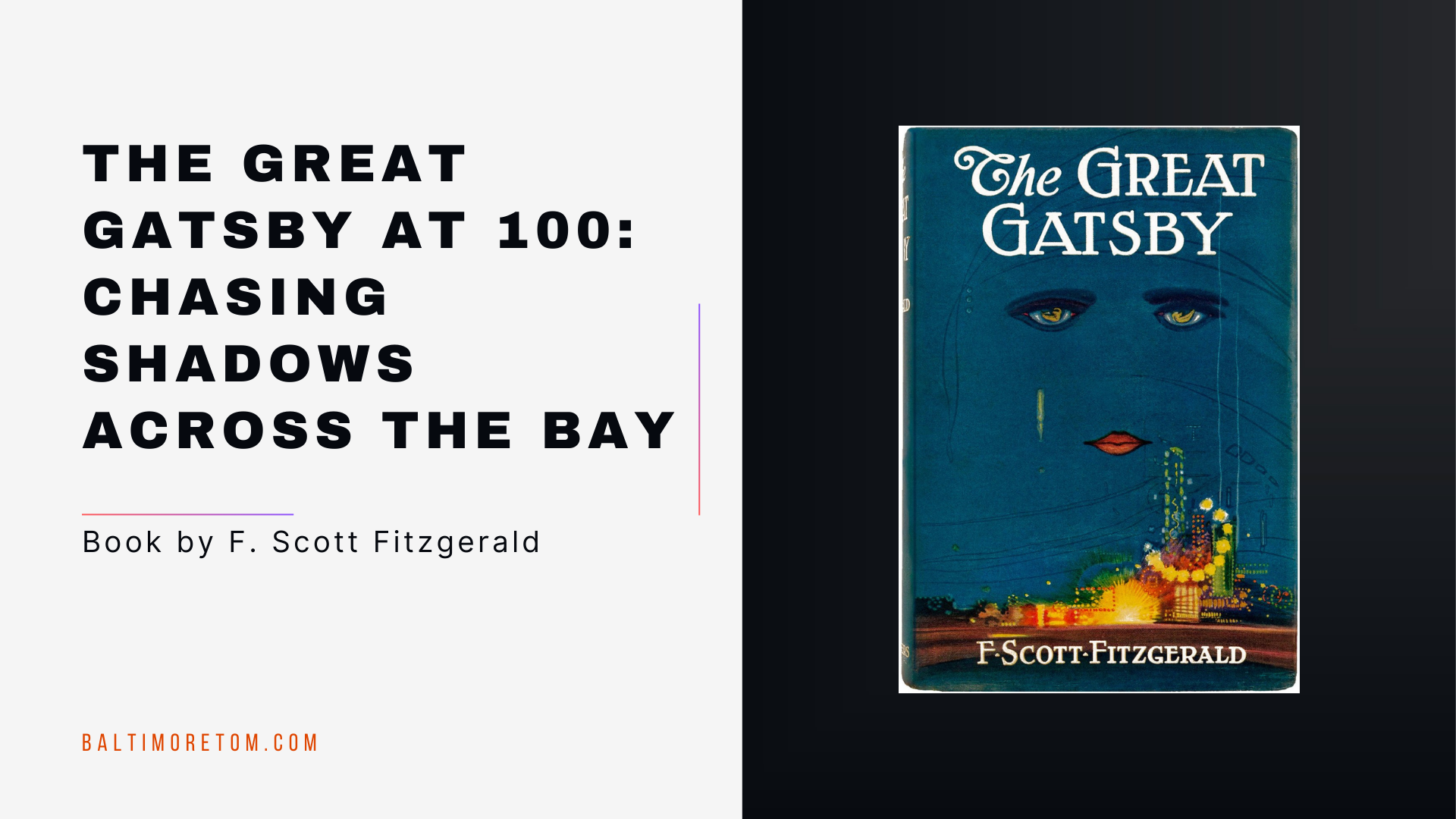
The Great Gatsby at 100: Chasing Shadows Across the Bay
The hundredth anniversary of The Great Gatsby, on April 10, 2025, gave me a reason to return to a book I had first read in school. I remembered the broad outline. Reading it again with more years behind me, I paid closer attention to the damage left by desire, wealth, and the conviction that the past can be recovered.
A Hundred Years Later
Published in 1925, the novel sold poorly and fell short of Fitzgerald’s hopes for it. Its place in American literature developed over the decades that followed. Now a familiar part of school reading, it continues to offer each generation something to recognize in its own ambitions.
What stayed with me this time was the loneliness beneath the parties and expensive possessions. Gatsby has organized his life around a memory, while the people around him seem remarkably willing to leave others with the consequences of their behavior. The scale of his effort makes the smallness of its reward especially sad.
Dreaming in Green Light
Gatsby’s longing for Daisy carries an entire imagined life within it. He treats wealth, work, and extravagant parties as means of recovering that life, placing his faith in a past that has become more perfect through recollection.
I respected the strength of his commitment even as I could see where it was leading. He continues to believe while his circumstances deteriorate, unable to relinquish the hope that has given his life its direction. That persistence makes his tragedy painfully recognizable.
Gatsby Today
Reading the novel in 2025, I recognized the desire to acquire a different life through status and possessions. The means have changed, along with the ways people display their success. The hope of repairing the past through what we own remains familiar.
The world around Gatsby rewards appearances and self-preservation. As his position collapses, Nick can do little to prevent the people who benefited from Gatsby’s generosity from disappearing. Their withdrawal gives the ending a particularly cold and contemporary feeling.
Why Gatsby Endures
The novel understands how strongly people can attach themselves to the possibility of recovering something lost. Gatsby gives that possibility the force of a life’s work, continuing long after the evidence has begun to turn against him.
A century after its publication, Fitzgerald’s account of longing still feels precise. I finished it thinking about the care required to recognize when a cherished hope has become a way of living too far from the present.